
FTL shipments are a regular part of the logistics services offered by A Logistics. Those who use this type of solution have shipments that can fill more than half of the cargo volume of a vehicle. Thus, the truck is reserved only for the given sender of goods or cargo.
For FTL shipments, we send the truck to a location specified by the customer, where the shipment will be loaded. After loading, the truck is sealed, thus protecting the shipment from damage and loss during transport. Transportation is carried out directly to the final destination, to the recipient specified by the sender. This way, no time is lost on intermediate stops, as is the case with LTL shipments, where shipments from two or more customers are combined in one truck.
FTL shipments are the most economical transport option when senders have large enough shipments that a single shipment can fill more than half of the cargo space of a logistics vehicle. The cargo space can be a closed compartment or an open platform.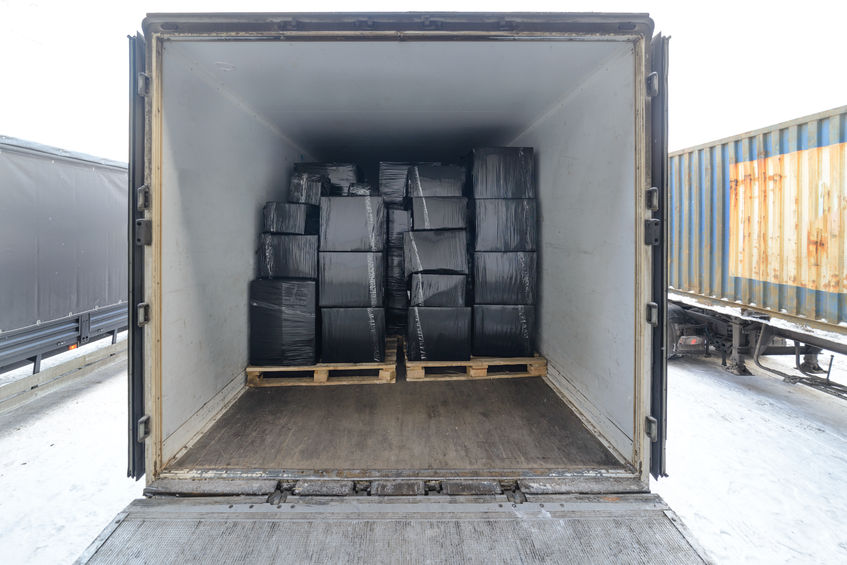
Differences between FTL and LTL transport solutions
- Exclusive use of the cargo vehicle
Here we will repeat one of the basic differences already mentioned above – this is a suitable choice for shippers with large shipments that will be transported without sharing the cargo space with other shippers.
- With LTL transport, the transport costs are shared
When two or more shippers share cargo space, they also share the transportation costs.
- Volume or weight of goods in FTL LTL shipments
For FTL shipments, the volume of the shipment usually includes more than 10 pallets or goods and cargo weighing more than 4.5 tons. Accordingly, for LTL shipments, the volume or weight is below these values.
- Time for picking up a shipment from the location specified by the sender
For FTL shipments, the shipment is easily picked up from the address specified by the customer, while if several shipments have to be picked up for combined LTL transport, this will require considerably more time.
- Longer transport time for LTL shipments
When transporting shipments from different senders, more stops are required if the shipments are going to different destinations along the route.
- Longer total cargo handling time for LTL shipments
With LTL shipments, the time is extended due to the need to load and unload individual shipments.
When are FTL shipments appropriate?
When you have large volume shipments, FTL shipments have a number of advantages.
This is the better option if you are looking for shorter transport times.
With FTL shipments, there is less loading and unloading, thus minimizing the risk of damage to the contents of the shipments. If you are shipping fragile goods and cargo, be sure to choose FTL transport. For the same reason, we recommend this type of transport for goods and cargo that are very high in value.
Disadvantages of FTL transport
This type of transport can also be used if the shipment is less than half the volume of the cargo space of a logistics transport vehicle. However, in such cases, the sender will have to pay more for transport than if they used LTL transport.
A Logistics offers fast organization of FTL transport after receiving requests. Send a request for a quote to use our lines for transporting large shipments, shipments with fragile contents, and shipments with high-value goods to a number of destinations.